
We may earn money or products from the companies mentioned in this post. As an Amazon Associate I earn from qualifying purchases. Disclosure of Material Connection: Some of the links in this post may be "affiliate links." This means if you click on the link and purchase an item, I will receive an affiliate commission.
Attending a funeral or memorial service is an emotionally charged experience. Amidst the sorrow of loss, the last thing anyone wants to worry about is whether their clothing is appropriate. Yet, understanding proper funeral etiquette, particularly concerning what to wear to a funeral, is a sign of respect for the deceased and their grieving family.
Navigating Grief with Grace: Your Definitive Guide to Funeral Attire (What to Wear to a Funeral)
This comprehensive guide, penned by an expert copywriter, will demystify the often-confusing landscape of funeral wear, helping you make respectful and confident choices. From the traditional Dark Suit to the understated Dark Dress, we’ll cover universal principles and modern considerations, ensuring you present yourself with dignity and compassion. We’ll also touch on practical advice for those traveling, including tips on Best Packing Cubes and Best Travel Luggage to ensure your Dress Attire arrives pristine.
Our aim is to alleviate stress during a difficult time, empowering you to focus on offering support and remembrance, rather than wardrobe dilemmas.
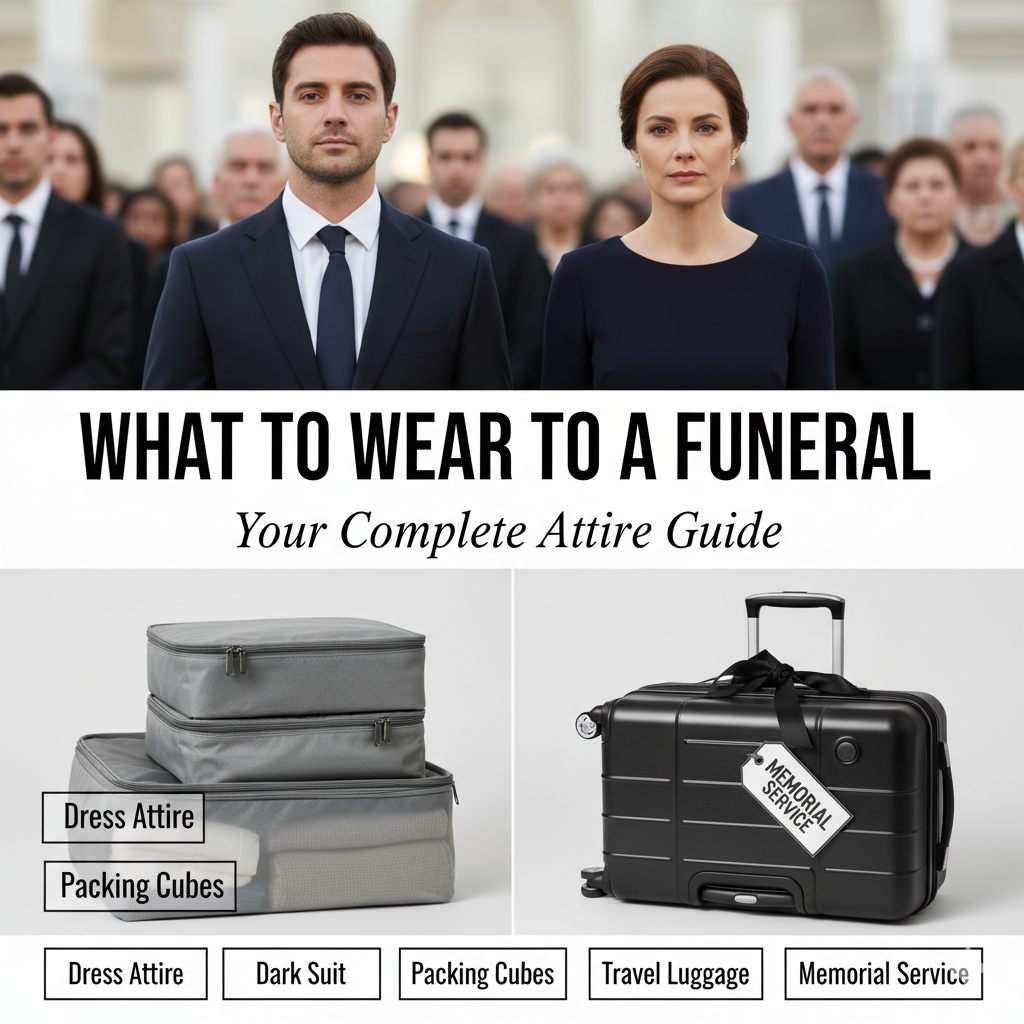
Section 1: The Core Principles of Funeral Attire – Respect and Reverence
The overarching rule for funeral attire is respect. Your clothing choices should convey solemnity, reverence, and a sense of gravity befitting the occasion. This isn’t the time for flashy statements or overly casual outfits.
Understanding the Purpose of Funeral Attire
Funeral attire serves several key purposes:
-
Respect for the Deceased: It acknowledges the significance of the life that has passed and the impact they had.
-
Respect for the Grieving Family: It shows empathy and solidarity with those in mourning, indicating that you understand the seriousness of the event.
-
Minimizing Distraction: Appropriate dress ensures that attention remains on the ceremony and the memory of the loved one, rather than on individual attendees’ fashion choices.
-
Cultural and Religious Sensitivity: Different faiths and cultures have specific dress codes. Being aware of these is crucial.
Ultimately, your attire should communicate that you are there to mourn, to support, and to remember, not to draw attention to yourself.
The Universal Rule: Modesty and Conservatism when it comes to funeral attire
Regardless of the specific funeral type, modesty and conservatism are paramount.
-
Cover Up: Avoid overly revealing clothing, such as low necklines, short skirts/dresses, or sleeveless tops (unless layered with a jacket or cardigan). Shoulders should generally be covered.
-
Understated: Choose simple designs over elaborate patterns or embellishments.
-
Comfort is Key (Within Limits): While you want to be comfortable enough to sit for extended periods, walk, and stand respectfully, prioritize formality over extreme casual comfort. Avoid sweatpants, t-shirts, athletic wear, or overly distressed clothing.
These principles form the foundation of appropriate Dress Attire for any funeral or Memorial Service.
Section 2: Traditional Funeral Attire – The Tried and True
For most funerals in Western cultures, a specific standard of dress has evolved, centering around dark, formal clothing.
For Men: The Dark Suit and Its Companions
The quintessential funeral outfit for men is a dark suit.
-
The Suit: A two-piece suit in black, charcoal gray, or navy blue is the safest and most appropriate choice. Avoid lighter colors or bold patterns.
-
Shirt: A white or light-colored dress shirt (e.g., light blue, cream) is traditional. Ensure it’s clean, ironed, and tucked in.
-
Tie: A solid tie in black, dark gray, or a subtly patterned dark color is ideal. Avoid bright colors, novelty ties, or distracting patterns.
-
Shoes: Polished dress shoes in black or dark brown are essential. Avoid sneakers, sandals, or overly casual footwear.
-
Socks: Dark dress socks that match your suit or shoes.
-
Accessories: Keep accessories minimal. A simple watch and wedding band are acceptable. Avoid flashy jewelry.
For less formal services, a dark sport coat or blazer with dark dress trousers (e.g., black, navy, charcoal) and a dress shirt can be an acceptable alternative, but a full dark suit always conveys the highest level of respect.
For Women: The Dark Dress and Elegant Alternatives
For women, a Dark Dress is a classic and respectful choice, but there are other appropriate options.
-
The Dress: A knee-length or longer dress in black, charcoal gray, or navy blue is ideal. Ensure it has a modest neckline and sleeves (or pair a sleeveless dress with a cardigan or blazer). Avoid bright colors, bold prints, or overly tight/revealing styles.
-
Skirt and Blouse/Top: A dark, modest skirt (pencil, A-line) paired with a simple, dark blouse or top is also perfectly acceptable.
-
Pantsuit or Trousers: A tailored pantsuit in a dark color or dark dress trousers paired with a modest blouse and blazer offer a professional and respectful alternative.
-
Shoes: Closed-toe dress shoes with a low to moderate heel or elegant flats are most appropriate. Avoid open-toe sandals, flip-flops, or overly high heels.
-
Hosiery: While not always strictly required, dark hosiery (tights or stockings) is often preferred for a more polished and traditional look.
-
Accessories: Keep jewelry minimal and understated. A simple necklace, earrings, or a watch is fine. A small, dark handbag is appropriate. Avoid large, flashy items.
-
Outerwear: A dark coat, trench coat, or wrap is suitable for colder weather or if the service includes an outdoor component.
The key for women’s Dress Attire is elegance in simplicity and modesty.
Section 3: Modern Considerations and Exceptions – Adapting to Different Service Types
While traditional dark attire is always a safe bet, modern funeral practices sometimes allow for slight deviations. Always consider the family’s wishes and the specific nature of the Memorial Service.
“Celebration of Life” vs. Traditional Funeral
A “Celebration of Life” often encourages a less formal, sometimes even colorful, dress code.
-
Family’s Wishes: Crucially, if the family requests a specific dress code (e.g., “wear bright colors,” “casual attire,” “wear their favorite sports jersey”), honor their wishes. This is an explicit exception to the dark attire rule.
-
Context: If no specific instructions are given, default to respectful, semi-formal attire, perhaps incorporating a subtle color instead of strict black, but still avoiding anything overtly casual or flashy. A dark blazer with lighter (but still conservative) trousers or a dress with a subtle pattern might be acceptable.
Religious and Cultural Variations
Different faiths and cultures have distinct traditions for funeral attire.
-
Jewish Funerals: Often emphasize modesty and simplicity. Men may wear a yarmulke. Women typically wear long skirts and covered shoulders.
-
Catholic Funerals: Generally adhere to traditional Western dark, modest attire.
-
Muslim Funerals: Emphasize modesty. Women often cover their heads with a scarf, and both men and women wear loose-fitting, conservative clothing.
-
Asian Cultures: White is sometimes worn as a mourning color in certain Asian traditions. Research or ask if you are unsure.
If attending a funeral from a culture or religion you are unfamiliar with, it is always best to discreetly inquire with a close friend of the family or the funeral home director for specific guidance on Dress Attire.
Children’s Attire
Children attending funerals should also be dressed respectfully.
-
Boys: Dark trousers (khakis can sometimes be acceptable for very young children), a collared shirt (polo or dress shirt), and dark shoes. A tie is optional.
-
Girls: A dark or muted-color dress, skirt and blouse, or trousers, with modest shoes. Avoid overly bright colors or glitter.
The focus should be on neatness and respectful presentation, rather than strict formality for very young children.
Section 4: The Practicalities of Travel. Ensuring Your Attire is Funeral-Ready
For those traveling to attend a funeral, ensuring your appropriate Dress Attire arrives in pristine condition requires thoughtful planning. This is where your Best Packing Cubes and Best Travel Luggage become invaluable.
Choosing the Best Travel Luggage for Funeral Attire
-
Carry-On for Essentials: If possible, pack your funeral attire in your carry-on luggage. This prevents disaster if checked luggage is lost or delayed. Look for carry-on bags with garment compartments or wrinkle-resistant features.
-
Garment Bags: For suits and dresses, a dedicated garment bag (either a foldable one that fits in a carry-on or a larger one for checked luggage) is ideal to minimize wrinkles.
-
Hard-Shell vs. Soft-Shell: Hard-shell luggage offers better protection for delicate items, but soft-shell can be more flexible for fitting into overhead bins. Consider your specific needs.
-
Reliability: Invest in Best Travel Luggage from reputable brands known for durability, smooth wheels, and sturdy zippers – you don’t want baggage issues adding to your stress.
The Magic of Best Packing Cubes
Packing cubes are game-changers for organizing and protecting your clothes, especially formal wear.
-
Wrinkle Prevention: Roll or fold your suit and dress attire carefully, then place them within packing cubes. The cubes compress the clothing slightly, holding it in place and reducing shifting that causes wrinkles.
-
Separation: Use separate packing cubes for your Dark Suit, Dark Dress, shirts, undergarments, and shoes. This keeps everything organized and prevents shoes from scuffing your formal wear.
-
Space Saving: While they don’t magically create space, packing cubes help compress items, making it easier to fit everything, especially if you’re traveling with multiple formal outfits or packing for an extended stay.
-
Quick Access: If you need to quickly grab your funeral attire upon arrival, having it neatly organized in a dedicated cube saves time and stress.
Consider bringing a small, portable steamer or wrinkle-release spray if access to an iron will be limited. This foresight ensures your Dress Attire is impeccable for the Memorial Service.
Conclusion: Presenting Yourself with Dignity and Compassion
Attending a funeral or Memorial Service is an act of love, respect, and support. While the focus should always be on honoring the deceased and comforting the bereaved, your appearance plays a significant role in conveying your solemnity and empathy.
By adhering to the principles of modesty, conservatism, and traditional dark colors – whether a Dark Suit or a Dark Dress – you ensure your Dress Attire is appropriate. Remember to always consider the family’s specific requests, which can sometimes allow for a departure from the conventional.
For those traveling, smart packing with the Best Packing Cubes and reliable Best Travel Luggage will minimize stress, allowing you to arrive prepared and poised.
Ultimately, your presence and genuine condolences are the most important contributions. However, dressing thoughtfully allows you to do so with the grace and dignity that such a somber occasion demands, allowing you to fully engage in the act of remembrance and support.
