We may earn money or products from the companies mentioned in this post. As an Amazon Associate I earn from qualifying purchases. Disclosure of Material Connection: Some of the links in this post may be "affiliate links." This means if you click on the link and purchase an item, I will receive an affiliate commission.
Examples of Memorial Programs: A Visual Inspiration Gallery
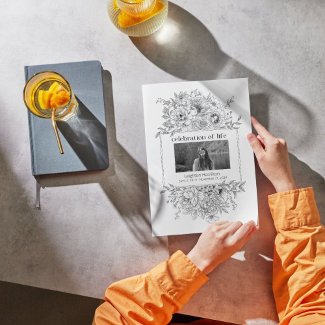
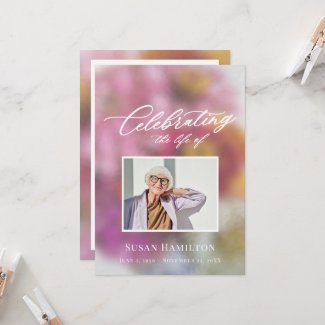
Sometimes, the best way to start is by seeing. While we cannot display images here, this guide provides detailed, descriptive examples of memorial programs across various styles—traditional, modern, celebratory, and themed. Each example is broken down to explain why it works, the design choices made, and the emotional tone it sets. Use this gallery to spark your own ideas and understand how to translate feeling into format.
How to Use This Gallery
Read each description and note:
-
The Overall Vibe: What is the immediate feeling?
-
The Structural Choice: Bi-fold? Booklet? Single sheet?
-
The Key Design Element: What makes it distinctive?
-
Adaptable Idea: What can you borrow for your own program?
Example 1: The Classic & Elegant Traditional Program
-
Format: Standard 8.5″x11″ Bi-fold, on 32 lb. ivory linen paper.
-
Cover: Centered, a formal black-and-white portrait in an oval frame. Above the photo, “In Loving Memory” in a elegant serif font (like Garamond). Below, the name in a larger, classic font, followed by the dates. At the very bottom, the service date and location in a smaller point size. A simple, engraved-style border surrounds the page.
-
Inside Left – Order of Service: Titled “Order of Service” in a clean font. Each item (Prelude, Scripture Reading, Eulogy, etc.) is listed with a dotted leader line to the participant’s name on the right. The font is highly readable. A small cross icon sits at the top of the column.
-
Inside Right – Obituary: A comprehensive, well-written obituary in two columns. It begins with the announcement of death and proceeds chronologically through life, family, and legacy. A small, secondary photo (a family or career shot) is tastefully placed at the bottom corner.
-
Back Cover: A favorite scripture verse (Psalm 23) set in a simple text block. Below it, the funeral home’s logo and information are discreetly placed.
-
Why It Works: It projects dignity, respect, and timelessness. The structure is instantly familiar and easy to follow. The high-quality paper and restrained design assure attendees of its importance as a keepsake.
-
Adaptable Idea: The use of a classic, framed portrait and a clean, leader-line format for the order of service is a fail-safe approach for any formal service.
Want this in an easy-to-edit format?
Download the free Farewell Files / Funeral Essentials Kit. It includes celebration of life program templates with a ready-made order of service section, plus an obituary template and eulogy helper.

Example 2: The Modern & Minimalist Memorial
-
Format: Square (8″x8″) booklet, stapled at the crease. Printed on thick, matte white card stock.
-
Cover: A stunning, full-bleed, color photograph of the deceased laughing, taken in natural light. The name and years (e.g., “1975 – 2024”) are overlaid in a thin, modern sans-serif font (like Helvetica Neue Light) in the bottom right corner. No other text.
-
Inside Pages: Each page is dedicated to a single element. Page 1: “Celebration of Life” and details. Page 2: A short, poetic life tribute in the center of the page. Page 3: A timeline of life milestones using icons (birthplace, graduation cap, heart, mountain). Page 4: A single, powerful quote they lived by.
-
Design Elements: Extensive use of white space. Text is carefully aligned and minimal. A consistent, subtle color accent (a specific shade of slate blue) is used only for page numbers and icons.
-
Why It Works: It feels contemporary, thoughtful, and artistic. The focus is entirely on the individual and clean presentation of information, removing all visual clutter. It speaks to a less religious, more design-conscious sensibility.
-
Adaptable Idea: The “one idea per page” approach forces curation and highlights what’s most important, creating a more impactful, magazine-like feel.
Example 3: The Themed Celebration of Life (Gardener’s Theme)
-
Format: 8.5″x11″ Tri-fold, printed on textured, recycled paper with a slight green tint.
-
Cover: A watercolor illustration of a blooming peony (their favorite flower). The title “In Bloom: A Celebration for Margaret” is hand-lettered in a warm, organic style. A small, real pressed flower is embedded in the corner of each program (a special touch from the family).
-
Inside Panels:
-
Panel 1 (Welcome): “Welcome to the Garden” with service details.
-
Panel 2 (Order of Celebration): Titled “Today’s Growth.” Items include “Planting Seeds of Memory,” “Sharing Stories in the Sunshine,” “A Watering of Tears and Laughter.”
-
Panel 3 (Life Tribute): Titled “A Life Well-Planted.” Written as a metaphor of gardening, describing how they cultivated family, friendships, and community.
-
Panel 4 (Photos): A collage of photos of them in their garden, with vegetables, and with dirt-smudged hands.
-
Panel 5 (Interactive Element): “Help Our Garden Grow” – Blank lines for guests to write a memory or piece of advice, with the header “From Your Garden to Ours.”
-
Panel 6 (Back): Details for a seed packet favor and the reception. A QR code links to a blog of her gardening tips.
-
-
Why It Works: It is deeply, authentically personal. Every element reinforces the theme, creating a cohesive and immersive experience. It transforms the program from a document into a memorable artifact.
-
Adaptable Idea: Choosing a single, strong theme and carrying it through every element—wording, imagery, and even physical texture—creates a powerfully unified tribute.
Example 4: The Photo-Centric Family Tribute
-
Format: 8.5″x11″ folded once horizontally (landscape style), creating a tall, slim program.
-
Cover: A vibrant, candid family photo spanning the entire cover. The text is minimal: “For Dad” in white text in the sky of the photo, and the dates below.
-
Inside: When opened, it reveals a single, panoramic spread. On the left, a heartfelt letter from the children. On the right, a grid of 12 small, square photos from throughout his life, from childhood to becoming a grandfather. Below the photos, the essential service information is presented simply.
-
Back: A single, powerful quote from a family letter: “You taught us how to build a life, and for that, we are forever grateful.”
-
Why It Works: It is overwhelmingly personal and emotional. The dominance of photos tells the story instantly and powerfully. It feels intimate, like a family album shared with loved ones.
-
Adaptable Idea: Letting photos drive the design. When you have great images, build the program around them as the primary storytelling tool, with text playing a supporting role.
Example 5: The Simple & Sincere DIY Program
-
Format: A single 8.5″x11″ sheet of cream-colored paper, folded in half. Clearly home-printed but neatly done.
-
Cover: A clear, centered photo. The name and dates are typed in a standard, readable font like Georgia. A simple border was added using word processor tools.
-
Inside: On the left, a straightforward list of the service order. On the right, a lovingly written, paragraph-style tribute that includes specific, warm anecdotes (“She made the best apple pie, always with a secret pinch of nutmeg…”).
-
Back: A handwritten-looking font is used for a “Thank You” note from the family and reception details.
-
Why It Works: Its power is in its sincerity and lack of pretense. It communicates care and effort over commercial polish. It feels human, approachable, and directly from the heart of the family.
-
Adaptable Idea: Proof that content is king. A well-written, specific, and loving tribute on a simple template will always be more meaningful than a gorgeous but generic program.
Want this in an easy-to-edit format?
Download the free Farewell Files / Funeral Essentials Kit. It includes celebration of life program templates with a ready-made order of service section, plus an obituary template and eulogy helper.
Conclusion: Find Your Inspiration, Then Make It Your Own
These examples of memorial programs show that there is no single “right” way. The best program is the one that feels true to the person being remembered. Use these descriptions as a starting point. Ask yourself: Which vibe fits best? Then, blend elements—perhaps the clean structure of the traditional with the thematic touches of the gardener’s tribute, or the photo-centric approach with a modern minimalist layout. Your unique combination will result in a perfect, one-of-a-kind tribute.