
We may earn money or products from the companies mentioned in this post. As an Amazon Associate I earn from qualifying purchases. Disclosure of Material Connection: Some of the links in this post may be "affiliate links." This means if you click on the link and purchase an item, I will receive an affiliate commission.
In times of loss, the desire to honor and remember loved ones becomes a profound and deeply personal journey. A gravesite is more than just a final resting place; it is a sacred space for reflection, remembrance, and connection. While traditional memorial options are widely available, many individuals find solace and meaning in creating Do-It-Yourself DIY grave site ideas that infuse a personal touch, reflecting the unique spirit and cherished memories of those who have passed. This comprehensive guide explores a myriad of creative, respectful, and often budget-friendly DIY approaches to personalizing a gravesite.
From understanding crucial cemetery regulations to crafting bespoke decorations and even designing your own markers, we will navigate the path to creating a heartfelt memorial that truly celebrates a life well-lived. Our aim is to provide actionable insights and inspiring ideas that empower you to transform a gravesite into a vibrant testament of enduring love and remembrance, ensuring it ranks prominently for those seeking meaningful ways to honor their departed.
Understanding Cemetery Regulations: Your First Step to a DIY Grave Site
Before embarking on any DIY grave site project, the single most critical step is to thoroughly understand and adhere to the specific rules and regulations of the cemetery. Cemeteries are diverse, ranging from historic churchyards to modern memorial parks, and each will have its own set of guidelines designed to maintain aesthetics, ensure safety, and facilitate maintenance. Ignoring these rules can lead to the removal of your carefully crafted tributes, potential fines, or even damage to the gravesite itself. Proactive research and communication are paramount to a successful and respectful DIY endeavor.
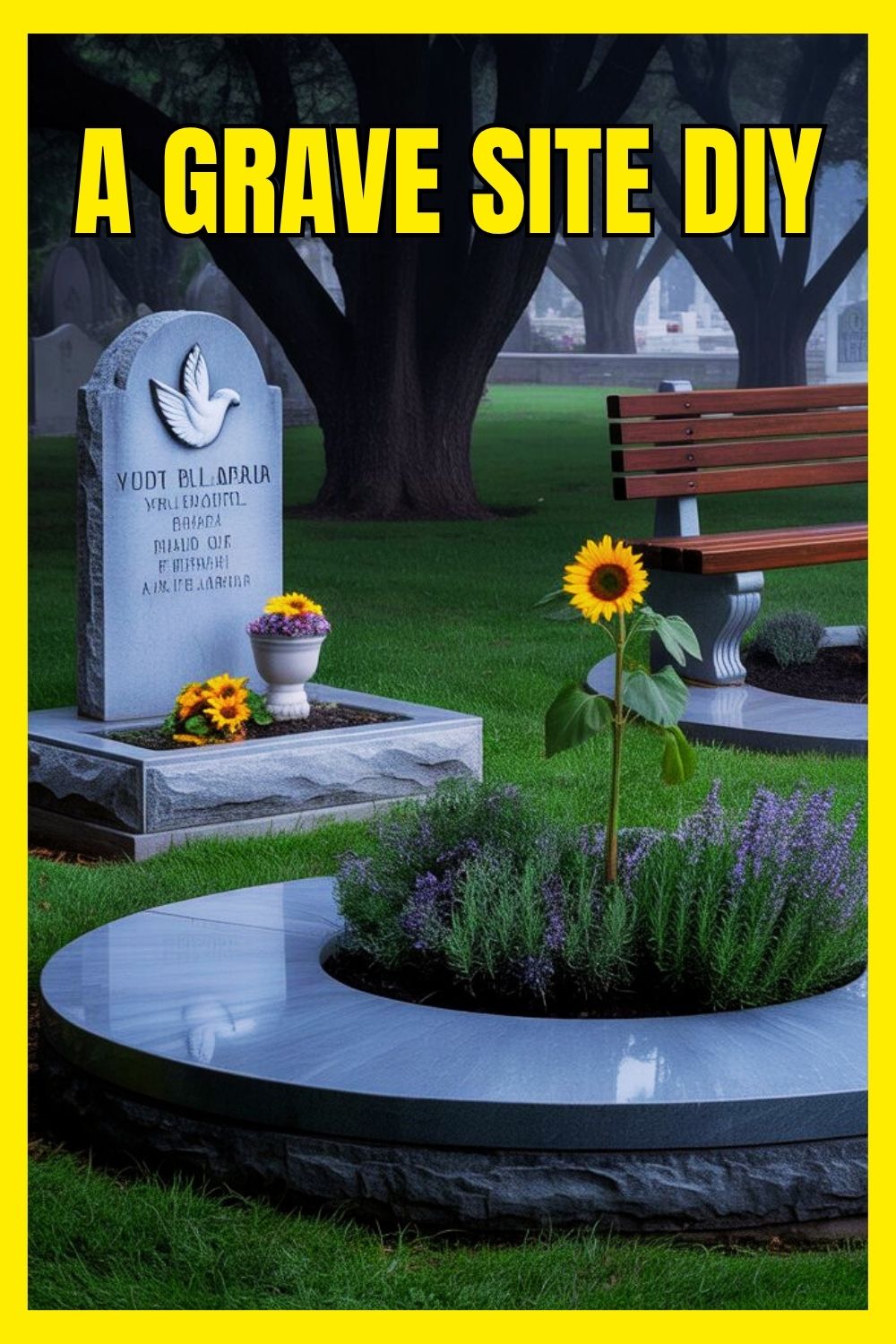
Navigating Rules for Decorations and Materials
Cemetery regulations often dictate the types of decorations, materials, and even plants that are permitted. These rules are typically in place for several reasons: ease of maintenance (e.g., preventing items that interfere with mowing), safety (e.g., avoiding breakable glass or tripping hazards), and preserving the overall appearance and solemnity of the grounds. For instance, some cemeteries may allow fresh flowers but prohibit artificial ones, while others might have restrictions on balloons, wind chimes, or solar lights. Materials like glass, metal stakes, or certain plastics might be forbidden due to safety concerns or their potential to degrade and litter the grounds. It is always advisable to obtain a copy of the cemetery’s rules in writing or consult directly with the cemetery administration. A simple phone call or visit can save significant time, effort, and potential heartache.
Permitted vs. Prohibited Items: What You Need to Know
While rules vary, some common patterns emerge regarding permitted and prohibited items. Generally, fresh cut flowers are almost universally accepted, often with stipulations about their removal once they wilt. Artificial flowers may be allowed if placed in approved vases or containers. Small, non-breakable personal items that do not obstruct maintenance are sometimes permitted, but larger items or those that require permanent installation are usually not. Prohibited items frequently include: glass containers, shepherd hooks, fences, statues, loose gravel, open flames (candles), and any item that could be considered a hazard or become airborne in strong winds. Understanding these distinctions is crucial for planning your DIY grave site project effectively and respectfully. Always err on the side of caution and seek clarification from cemetery staff if you are unsure about a particular item or design element. This due diligence ensures that your loving tribute remains a welcome addition to the memorial landscape.
Creative DIY Grave Decorations: Adding Personal Touches
Once you are familiar with the cemetery’s guidelines, the creative journey of personalizing a gravesite can begin. DIY grave decorations offer a unique opportunity to express your enduring love and remembrance through handcrafted items that resonate with the personality and passions of your loved one. These personal touches transform a simple plot into a vibrant, living memorial, reflecting the seasons, holidays, and the continuous flow of life and memory.

Seasonal & Holiday Themes: Celebrating Throughout the Year
Decorating a gravesite according to seasonal and holiday themes is a beautiful way to acknowledge the passage of time and to include your loved one in ongoing celebrations. This approach allows for regular refreshes, keeping the memorial vibrant and cared for throughout the year. The key is to choose durable, weather-resistant materials that can withstand outdoor conditions and adhere to cemetery regulations.
Spring & Summer: Fresh Flowers and Vibrant Displays
Spring and summer naturally lend themselves to bright and cheerful decorations. Fresh flowers are a classic choice, symbolizing renewal and life. Consider planting small, hardy annuals directly in front of the headstone if permitted, or use approved vases for cut flowers. For DIY arrangements, select flowers that hold up well in heat, such as zinnias, marigolds, or petunias. You can craft simple floral arrangements using floral foam and a sturdy container. Small, weather-resistant pinwheels or colorful ribbons tied to approved stakes can add a playful touch, reflecting the joy your loved one brought into your life. Ensure any containers are heavy enough not to be blown away and that plants do not overgrow their designated space.
Autumn: Harvest Hues and Natural Elements
As the leaves turn, autumn offers a rich palette for grave site decorations. Embrace the natural beauty of the season with DIY arrangements featuring dried leaves, pinecones, acorns, and small gourds. Wreaths made from natural materials, adorned with fall-colored ribbons, can be placed on the headstone or a shepherd’s hook if allowed. Small, weather-resistant scarecrows or fabric pumpkins can add a festive, yet respectful, touch. Consider using faux berries and fall foliage that will endure the cooler weather. These decorations evoke warmth and the comforting feeling of harvest, symbolizing abundance and gratitude for the life remembered.
Winter: Enduring Greenery and Festive Lights
Winter decorations bring warmth and light during colder, darker months. Evergreen wreaths, garlands, and sprays are excellent DIY choices, symbolizing eternal life and enduring love. You can create these using fresh or artificial evergreens, adorned with weather-resistant ornaments, bows, and even battery-operated LED lights (if permitted and safely secured). Small, decorative bird feeders (if allowed and maintained) can also add life to the gravesite during winter. For holidays like Christmas, miniature, weather-resistant trees decorated with personal ornaments can be a touching tribute. The goal is to create a serene and comforting atmosphere that withstands the elements and brings a sense of peace.
Personalized Keepsakes & Mementos: Objects with Meaning
Beyond seasonal decor, personalized keepsakes and mementos offer a deeply intimate way to adorn a gravesite. These items tell a story, connecting visitors directly to the loved one’s life, passions, and personality. When selecting or crafting these, prioritize durability and adherence to cemetery rules regarding size and material.
Photo Displays: Bringing Memories to Life
Photographs are powerful conduits of memory. For a DIY photo display, choose weather-resistant frames or laminate photos to protect them from the elements. Small, framed pictures can be placed in approved vases or secured to the headstone with non-damaging adhesive (check cemetery rules first). Alternatively, consider creating a small, weather-sealed memory box containing a collection of photos and small notes. Digital photo frames powered by solar energy are also an innovative option, though their use might be restricted. The aim is to share cherished moments in a way that is both beautiful and resilient.
Symbolic Items: Expressing Love and Legacy
Symbolic items can speak volumes without words. If your loved one enjoyed gardening, a small, decorative trowel or a packet of their favorite flower seeds (in a sealed, weather-proof container) could be a poignant addition. For a music lover, a small, weather-resistant replica of an instrument or a sheet of their favorite music laminated could be placed. Sports enthusiasts might be honored with a miniature, weather-proof replica of a ball or team emblem. These items, carefully chosen and respectfully placed, create a narrative that celebrates their unique journey and passions. Always ensure these items are securely placed and do not pose a hazard or become litter.
DIY Grave Flowers & Planters: Cultivating Beauty
Flowers and plants bring life and natural beauty to a gravesite. DIY planters allow for creative expression and the opportunity to select flora that held special meaning for your loved one. Again, cemetery regulations on planting and container types are crucial.
Choosing Durable Plants for Gravesites
When selecting plants for a gravesite, durability and low maintenance are key. Consider native plants that thrive in your local climate and require minimal watering. Succulents, sedum, hostas, and certain ground covers like creeping thyme or vinca are excellent choices for their hardiness and ability to withstand varying weather conditions. Small, ornamental grasses can also add texture and movement. If planting directly, ensure the plant’s root system will not interfere with the grave structure or neighboring plots. Always choose plants that will not grow too large or become invasive.
Creative Planter Ideas: Beyond the Ordinary
Move beyond standard plastic pots with creative DIY planter ideas. Consider repurposing old, sturdy ceramic or metal containers, ensuring they have drainage holes. You can paint and decorate these planters with weather-resistant paints, adding personal motifs or inscriptions. For a rustic look, small wooden crates (treated for outdoor use) can house a collection of smaller potted plants. Hanging baskets, if permitted on shepherd hooks, can add vertical interest. Remember to use good quality potting soil and consider self-watering inserts for less frequent visits. These personalized planters not only beautify the grave but also serve as a living, growing tribute.
Crafting Your Own Grave Markers & Memorials: Affordable and Meaningful Alternatives
For those seeking a more permanent and deeply personal tribute, crafting your own grave markers or memorials can be an incredibly meaningful endeavor. This approach often provides a more affordable alternative to traditional monuments while allowing for unparalleled customization. It is imperative, however, to verify cemetery policies regarding homemade markers before beginning any construction.
DIY Flat Grave Markers: Simple Elegance
Flat grave markers, which lie flush with the ground, are often the most permissible DIY option in many cemeteries due to their minimal impact on maintenance. Creating your own can be a deeply personal act of remembrance.
Materials and Techniques for Custom Flat Markers
Common materials for DIY flat markers include natural stone slabs (such as slate or flagstone), treated wood, or even poured concrete. For stone, select a piece that is relatively flat and of appropriate size. You can use stone carving tools or a Dremel with a diamond bit for engraving. For wood, choose weather-resistant varieties like cedar or redwood, and treat them with outdoor sealants or marine varnish to prevent rot and fading. Poured concrete markers offer versatility; you can create a mold, embed decorative elements like pebbles or glass, and then engrave or paint the surface once cured. Ensure the chosen material is durable enough to withstand local weather conditions for many years.
Engraving and Personalization Tips
Personalization is key to a meaningful marker. For stone, consider simple, deeply carved initials, dates, or a short, poignant quote. Stencils can help achieve clean lines. For wood, wood-burning tools allow for intricate designs and text. Paint can be used to highlight engravings or add color, but ensure it is exterior-grade and sealed. For concrete, you can press objects into the wet concrete to create impressions, or use stamps for lettering. Always proofread any text meticulously before making permanent marks. The goal is to create a clear, legible, and enduring message that honors your loved one.

Handmade Memorial Plaques: Artistic Expressions
Memorial plaques offer another avenue for artistic expression, allowing for more detailed imagery and text than some flat markers. These can be mounted on small stands, secured to existing headstones (if permitted), or placed directly on the ground.

Weather-Resistant Materials for Outdoor Use
For handmade plaques, materials must be highly weather-resistant. Options include marine-grade plywood (sealed and painted), metal sheets (aluminum, copper, or brass), or durable composite materials. Metal plaques can be etched, stamped, or engraved. For wood, use multiple layers of outdoor sealant. Consider using resin to encase photos or delicate items, creating a waterproof and UV-resistant finish. The longevity of the plaque is crucial for a lasting tribute.
Designing Unique Plaques with Personal Significance
Design your plaque to reflect your loved one’s unique personality. This could involve painting a scene they loved, incorporating a symbol of their hobby, or etching a favorite poem. You can use stencils for lettering or freehand designs if you have artistic skill. For a truly unique touch, consider mosaic tiles (using outdoor-grade grout and adhesive) or embedding small, weather-resistant objects that held special meaning. The plaque becomes a canvas for your remembrance, a small piece of art dedicated to their memory.
Creating Memorial Benches & Seating: A Place for Reflection
If cemetery regulations allow, a memorial bench or seating area can provide a tranquil spot for visitors to rest and reflect. This DIY project requires more effort but offers a profound sense of peace and permanence.
DIY Bench Construction: Materials and Safety
For a DIY memorial bench, durability and stability are paramount. Materials like treated lumber, concrete, or natural stone are suitable. If using wood, ensure all pieces are securely fastened with weather-resistant hardware and treated with multiple coats of outdoor sealant. For concrete, consider pre-cast blocks or pouring your own bench with reinforcement. Safety is key: ensure the bench is stable, free of sharp edges, and positioned in a way that does not obstruct pathways or maintenance. Always check with the cemetery for specific size and material requirements for benches.
Incorporating Inscriptions and Decorative Elements
Personalize the bench with inscriptions carved directly into the wood or stone, or by attaching a weather-resistant plaque. The inscription could be the loved one’s name, dates, a favorite quote, or a short message. Decorative elements like carved motifs, mosaic inlays, or even small, weather-resistant sculptures can further enhance the bench’s aesthetic. The goal is to create a comfortable and beautiful space that invites quiet contemplation and honors the memory of your loved one.
Landscaping & Upkeep for DIY Grave Sites: Nurturing the Space
Maintaining a gravesite is an ongoing act of love and remembrance. Thoughtful landscaping and regular upkeep ensure that your DIY efforts remain beautiful and respectful. This section focuses on practical strategies for nurturing the memorial space.
Low-Maintenance Landscaping Ideas: Beauty Without Burden
Choosing low-maintenance landscaping elements is crucial, especially if you cannot visit the gravesite frequently. The aim is to create beauty that endures with minimal intervention.
Drought-Tolerant Plants and Ground Covers
Opt for plants that require little water and thrive in your local climate. Succulents, sedum, lavender, and certain ornamental grasses are excellent choices. Ground covers like creeping thyme, vinca minor, or ajuga can provide a lush, green carpet that suppresses weeds and requires minimal care. These plants not only conserve water but also ensure the gravesite remains attractive even during periods of neglect. Always confirm with the cemetery if planting directly into the ground is permitted.
Edging and Border Solutions
Defining the boundaries of your DIY grave site with edging or borders can create a neat, contained appearance and prevent encroachment from surrounding grass or weeds. Materials like small, decorative stones, bricks, or metal edging can be used. Ensure that any edging is flush with the ground or very low-profile to avoid interfering with cemetery maintenance equipment. A well-defined border enhances the aesthetic appeal and makes upkeep easier.
Protecting Your DIY Creations: Durability in All Seasons
Outdoor elements can be harsh on decorations. Taking steps to protect your DIY creations will ensure their longevity and preserve their beauty.
Weatherproofing Techniques for Decorations
For wooden items, apply multiple coats of marine varnish or outdoor sealant. Metal items can be treated with rust-inhibiting paints or clear coats. Fabric decorations should be made from outdoor-grade, UV-resistant fabrics. For photos, lamination or encasing them in resin provides excellent protection. Solar-powered lights should be rated for outdoor use and securely anchored. Regular reapplication of sealants and paints will extend the life of your creations significantly.
Securing Items Against Wind and Theft
Wind can easily displace lightweight decorations, and unfortunately, theft can be a concern in some areas. Secure items by weighting them down with sand or pebbles, or by anchoring them with discreet stakes (if permitted). For valuable or sentimental items, consider placing them in a secure, weighted container that is difficult to move. If theft is a significant concern, it might be best to avoid leaving highly valuable or irreplaceable items at the gravesite. The goal is to ensure your tributes remain in place and undisturbed.
Regular Maintenance Schedule: Keeping the Site Pristine
A consistent maintenance schedule is vital for a well-kept gravesite. This doesn’t necessarily mean weekly visits, but rather thoughtful planning.
Cleaning and Refreshing Decorations
Periodically clean decorations to remove dirt, dust, and mildew. A soft brush and mild soap can often suffice. Refresh faded ribbons or replace worn-out artificial flowers. For plants, deadhead spent blooms and remove any weeds that may have sprouted. A quick tidy-up during each visit will prevent the site from becoming overgrown or neglected.
Seasonal Adjustments and Replacements
As seasons change, so too should some of your decorations. Replace spring flowers with summer ones, and transition to autumn and winter themes as appropriate. This keeps the gravesite looking fresh and relevant. Be prepared to replace items that have deteriorated beyond repair due to weather exposure. This ongoing care demonstrates enduring love and commitment to remembrance.
Legal and Ethical Considerations for DIY Grave Sites
While the desire to personalize a gravesite is commendable, it is crucial to approach DIY projects with respect for cemetery rules, other visitors, and the solemnity of the space. Legal and ethical considerations are not merely bureaucratic hurdles but essential components of thoughtful remembrance.
Respecting Cemetery Policies: Avoiding Common Pitfalls
As previously emphasized, cemetery policies are non-negotiable. Common pitfalls include installing items that interfere with groundskeeping, using materials that degrade or become hazardous, or placing items that extend beyond the designated plot boundaries. Always obtain explicit permission for any permanent installations or significant landscaping changes. A good rule of thumb is: if in doubt, ask the cemetery administration. Their guidance is invaluable in ensuring your DIY efforts are compliant and enduring.
The Importance of Taste and Sensitivity
A gravesite is a public space, and while personal expression is encouraged, it should always be balanced with respect for others. Decorations should be tasteful, non-offensive, and not overly ostentatious. Avoid items that might be considered distracting, noisy, or inappropriate for a solemn environment. The goal is to create a peaceful and respectful memorial that brings comfort to you and does not inadvertently cause distress or offense to other visitors. Consider the broader community of mourners who share the space.
Long-Term Planning: Ensuring Your Memorial Endures
When creating DIY grave site elements, consider their long-term viability. Will the materials withstand years of exposure? Who will maintain them if you are no longer able to? Discuss your plans with family members to ensure continuity of care. For permanent installations, consider materials that require minimal maintenance and are built to last. This foresight ensures that your heartfelt tribute continues to honor your loved one for generations to come.
Conclusion: A Lasting Tribute from the Heart
Creating a DIY grave site is a profound act of love, remembrance, and personal expression. It offers a unique opportunity to transform a solemn space into a vibrant, personalized memorial that truly reflects the life and spirit of a cherished loved one. From understanding the essential cemetery regulations to crafting bespoke decorations, designing custom markers, and implementing sustainable landscaping, each step in the DIY process is an act of devotion. By embracing creativity, utilizing durable materials, and maintaining a respectful approach, you can cultivate a lasting tribute that not only honors the departed but also provides a comforting sanctuary for those who visit. These handcrafted memorials stand as enduring testaments, connecting past and present, and ensuring that the stories and legacies of our loved ones continue to inspire and bring solace for years to come.
