
We may earn money or products from the companies mentioned in this post. As an Amazon Associate I earn from qualifying purchases. Disclosure of Material Connection: Some of the links in this post may be "affiliate links." This means if you click on the link and purchase an item, I will receive an affiliate commission.
In the quiet contemplation of a cemetery, amidst rows of silent sentinels, lie stories etched in stone. Tombstone designs, far more than mere markers, are profound expressions of love, memory, and individuality. They stand as enduring testaments to lives lived, offering solace to the bereaved and a tangible connection to the past. The art of tombstone design is a rich tapestry woven with threads of history, culture, personal narratives, and evolving aesthetics. From ancient monoliths to contemporary artistic statements, these memorials reflect societal values, technological advancements, and the timeless human need to remember. This comprehensive exploration delves into the fascinating world of tombstone designs, uncovering their historical roots, diverse styles, materials, and the deeply personal choices that shape these final tributes. Whether you are seeking inspiration for a loved one’s memorial, a history enthusiast, or simply curious about this unique art form, prepare to embark on a journey through the enduring legacy of remembrance.
The Enduring Art of Remembrance: A Deep Dive into Tombstone Designs
A Glimpse Through Time: The Historical and Cultural Significance of Tombstones
The practice of marking burial sites is as old as civilization itself, with early forms dating back thousands of years. The earliest markers were often simple stones or mounds, serving the fundamental purpose of identifying a grave. As societies evolved, so too did the complexity and symbolism embedded within these memorials. Ancient civilizations, such as the Egyptians, erected elaborate tombs and stelae, while the Romans adopted and expanded upon these traditions, often incorporating detailed carvings and inscriptions that celebrated the deceased’s life and achievements [1].
The medieval era witnessed a significant shift, largely influenced by the spread of Christianity. Cross-shaped headstones became prevalent, and the iconography often reflected religious beliefs and allegorical forms. Gravestones were not just markers but also visual sermons, conveying spiritual and moral values of the time. The Renaissance brought a renewed interest in classical art and humanism, leading to more ornate and sculptural memorials, often featuring effigies and detailed epitaphs that highlighted personal virtues and lineage.
By the 17th and 18th centuries, regional variations began to flourish. In colonial America, for instance, early gravestones often featured stark, symbolic imagery such as winged skulls or hourglasses, serving as memento mori-reminders of mortality. As the 19th century progressed, the Victorian era ushered in a period of elaborate sentimentality. Cemeteries transformed into picturesque garden landscapes, and tombstones became grander, adorned with intricate carvings of weeping willows, doves, hands clasped in farewell, and elaborate floral motifs. This era emphasized grief, remembrance, and the hope of reunion in the afterlife.
The 20th century saw a move towards simpler, more streamlined designs, partly due to changing aesthetic tastes and the practicalities of mass production. However, the underlying purpose remained constant: to honor the deceased and provide a place for mourning and reflection. Today, tombstone designs continue to evolve, blending traditional reverence with modern artistic expression, reflecting a diverse range of personal beliefs, cultural backgrounds, and individual stories.
Decoding the Stone: Understanding Different Types of Tombstone Designs
Tombstones come in a myriad of forms, each offering distinct aesthetic and practical considerations. The choice often depends on cemetery regulations, budget, and the desired level of prominence and personalization. Here are some of the most common types:

1. Flat Markers (Flush Markers)
Description: These are rectangular stones that lie flat on the ground, flush with the surrounding lawn. They are typically the most understated and economical option.
Pros: Easy to maintain, blend seamlessly into the landscape, and are generally the most affordable. Cemetery regulations often favor these for their minimal impact on maintenance.
Cons: Less visible than other types, offering limited space for extensive inscriptions or elaborate designs.
2. Bevel Markers
Description: Similar to flat markers, but with a slight incline. One side is typically a few inches higher than the other, creating a gentle slope.
Pros: Offer slightly better visibility than flat markers due to their raised angle, while still being relatively low-profile and easy to maintain.
Cons: Can be more prone to weathering on the angled surface compared to flat markers.
3. Slant Markers
Description: These markers stand upright with a face that slants back at an angle, usually between 45 and 90 degrees. They are thicker at the bottom and taper towards the top.
Pros: Provide a more prominent display than flat or bevel markers, offering good visibility and more space for inscriptions and designs. They strike a balance between affordability and presence.
Cons: Can still be susceptible to weathering on the angled face and may have some limitations on height and design complexity compared to upright monuments.
4. Upright Headstones (Monuments)
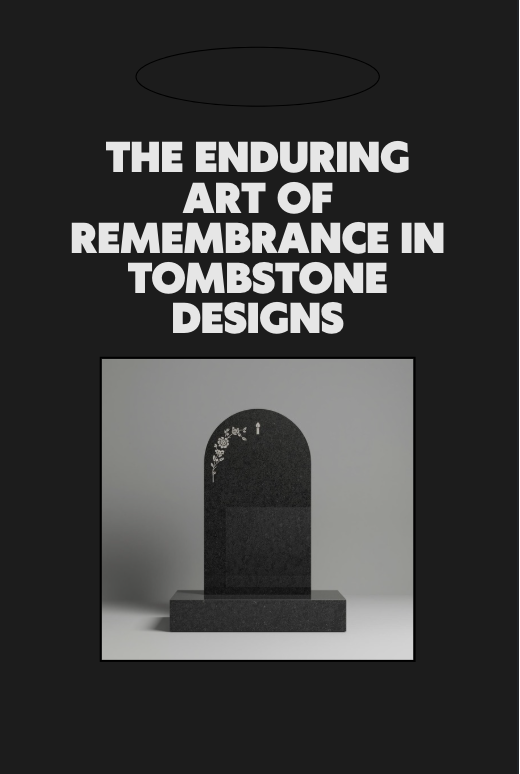
Description: The most traditional and prominent type, consisting of two main parts: a tablet (or die) that stands vertically, and a base that supports it. They come in various shapes and sizes, from simple rectangles to elaborate custom forms.
Pros: Offer ample space for personalized inscriptions, intricate carvings, and detailed artwork. They create a strong visual impact and are highly customizable. Upright headstones are often chosen for their classic aesthetic and commanding presence.
Cons: Generally more expensive due to the amount of material and craftsmanship involved. They may also require more maintenance and are subject to stricter cemetery regulations regarding size and height.
5. Grave Ledgers
Description: These are large, flat slabs of stone that cover the entire grave plot. They can be inscribed with extensive details, often including the full life story or a detailed family history.
Pros: Offer the most extensive space for inscriptions, designs, and even portraits. They provide a comprehensive memorial that covers the entire burial area.
Cons: Typically the most costly option due to the significant amount of material and complex installation. Not all cemeteries permit full grave ledgers.
6. Bench Headstones
Description: A unique and increasingly popular option, these memorials take the form of a stone bench, often with an inscription on the backrest or seat.
Pros: Provide a functional and contemplative space for visitors to sit and reflect. They offer a distinctive and artistic alternative to traditional headstones.
Cons: Can be more expensive and may have specific cemetery regulations regarding their placement and size.
7. Wing Headstones
Description: These are upright headstones featuring two separate tablets or
wings that flank a central monument or feature.
Pros: Offer a grand and impressive appearance, often used for couples or families to symbolize unity. They provide ample space for individual inscriptions while being part of a larger, cohesive design.
Cons: Can be quite large and therefore more expensive, and may be subject to specific cemetery size restrictions.
The Anatomy of a Memorial: Key Components of a Headstone and Tombstone Deisgns
Understanding the individual parts of a headstone can help in appreciating the craftsmanship and design choices involved. As detailed in a comprehensive guide to headstone design, several components work together to create a lasting tribute [3].
- Tablet (Die): This is the main upright section of the headstone, where the primary inscriptions, names, dates, and epitaphs are typically displayed. Its size, shape, and finish are crucial to the overall aesthetic.
- Base: The horizontal foundation upon which the tablet rests. It provides stability and often includes additional inscriptions, such as a family name or a short quote.
- Plinth: An optional, additional piece placed between the base and the tablet, adding height and a tiered effect. Plinths can enhance the grandeur of a monument and offer extra space for decorative elements.
- Sub-Base: Sometimes used beneath the main base for larger monuments, providing extra stability and height, though often hidden from view.
- Cap: The topmost piece of a multi-part headstone, serving both decorative purposes and protecting the tablet from weather elements.
The Canvas of Remembrance: Materials, Polishes, and Finishes
The choice of material and its finish profoundly impacts the durability, appearance, and maintenance of a tombstone. Each option offers a unique aesthetic and practical benefits.
Popular Materials:
- Granite: The most popular choice due to its exceptional durability, resistance to weathering, and wide range of colors (e.g., black, gray, red, blue, green). Granite can be polished to a high sheen or left with a more natural, rustic finish. And here is another granite option that is a classic choice for those with discerning taste.
- Marble: Known for its classic beauty and elegant appearance, marble is softer than granite and can be intricately carved. However, it is more susceptible to weathering and erosion over time, leading to a loss of detail.
- Bronze: Often used for flat markers, bronze offers a timeless, dignified look. It is highly durable and develops a natural patina over time, which can add to its character. Bronze markers are typically mounted on a granite or concrete base.
- Limestone: A softer stone that allows for detailed carving, limestone offers a warm, natural aesthetic. Like marble, it is less durable than granite and can show signs of weathering more quickly.
- Sandstone: Similar to limestone in its workability and natural appearance, sandstone is also less durable than granite but can provide a unique, earthy feel to a memorial.
Polishes and Finishes:
- Polished: Achieves a smooth, glossy, mirror-like surface through grinding and buffing. This finish enhances the stone’s natural color and patterns, making inscriptions highly visible, especially on darker stones like black granite.
- Honed: Provides a smooth, matte, non-reflective surface. This finish offers a subtle, understated look and is often chosen for its serene and timeless appeal, particularly on lighter stones.
- Part-Polished: Combines polished and unpolished sections, often with the inscription area polished to make the text stand out, while the surrounding areas remain honed or rough. This creates a striking contrast.
- Sanded: Created by blasting the stone with sand, resulting in a consistent, smooth but non-reflective texture. It is practical for outdoor settings as it is less prone to showing dirt and fingerprints.
- Rusticated: Features a rough, textured surface, giving the stone a natural, rugged, or antique appearance. This finish is often used for bases or for memorials designed to evoke a sense of history and permanence.
The Art of Expression: Sculpting and Lettering Styles in Tombstone Designs
The way a name is carved or a design is sculpted transforms a block of stone into a personal narrative. The choice of sculpting and lettering styles allows for immense personalization, reflecting the unique personality and story of the deceased.
Lettering Styles:
- V-Sunk Lettering: Carved into the stone with a V-shaped profile, creating shadows that enhance visibility and readability. This classic technique is particularly effective on light-colored stones.
- Raised Lettering: The background around the letters is carved away, leaving the letters standing out in relief. This style adds depth, texture, and a striking three-dimensional quality, often used for a more prominent and decorative effect.
- Incised Lettering: Cut directly into the stone with a clean, precise line. This versatile style suits various finishes and is ideal for detailed inscriptions. Incised letters can be filled with paint for added contrast and legibility.
- Hand-Carved Lettering: Offers a personal, artisanal touch, with each letter individually crafted. This method provides a unique, traditional appearance, showcasing intricate craftsmanship and a timeless aesthetic that machine carving cannot replicate.
- Laser-Etched Designs: Utilizes laser technology to burn designs into the stone, allowing for highly detailed and precise images, including photographs and complex graphics. This modern approach offers remarkable accuracy and personalization.
Sculpting and Carving:
Beyond lettering, tombstones can feature a wide array of sculpted elements. These can range from simple emblems and symbols to elaborate figures and scenes. Common motifs include:
- Religious Symbols: Crosses, angels, doves, stars of David, crescents, and other symbols representing faith and spirituality.
- Nature Motifs: Flowers (roses, lilies, poppies), trees (weeping willows, oaks), leaves, birds, and other elements symbolizing life, growth, peace, or specific virtues.
- Personal Interests: Hobbies, professions, military service emblems, musical instruments, sports equipment, or other symbols that reflect the deceased’s passions and achievements.
- Portraits and Imagery: Laser-etched photographs or carved likenesses of the individual, offering a direct visual remembrance.
- Abstract Designs: Modern and contemporary memorials often feature abstract shapes, clean lines, and minimalist forms, focusing on artistic expression and symbolic representation rather than literal imagery.
Modern Trends and the Future of Memorialization
The landscape of memorialization, tombstone designs is continuously evolving, driven by changing societal attitudes, technological advancements, and a growing desire for personalized and environmentally conscious options. Modern tombstone designs often reflect a departure from purely traditional forms, embracing creativity, individuality, and sustainability.
Personalization and Customization:
Today, families seek memorials that truly capture the essence of their loved ones. This has led to an explosion in customization options, from unique shapes and bespoke carvings to the integration of digital elements. QR codes linked to online memorials, personal websites, or video tributes are becoming more common, allowing visitors to access a wealth of information and memories with a simple scan. This blend of physical and digital remembrance offers a dynamic way to preserve and share a person’s legacy.
Eco-Friendly Options:
With increasing environmental awareness, there is a growing demand for eco-friendly memorial options. This includes:
- Natural Burial Grounds: Cemeteries that emphasize ecological restoration and use biodegradable materials for burials, often marked by natural stones or trees rather than traditional headstones.
- Biodegradable Urns and Memorials: Urns that can be planted with a tree or dissolve naturally in water, offering a living memorial.
- Sustainable: The use of locally sourced stone, recycled materials, or innovative composites that have a lower environmental impact.
Artistic and Contemporary Designs:
Contemporary tombstone designs often feature sleek lines, minimalist aesthetics, and innovative use of materials. Artists and designers are pushing the boundaries of traditional memorial art, creating sculptures that are both poignant and visually striking. These designs can incorporate elements like glass, metal, and even light, transforming the memorial into a piece of public art that invites contemplation and reflection. The focus is often on creating a unique piece that tells a story, rather than adhering to conventional forms.
Community and Interactive Memorials:
Some modern approaches involve creating communal memorials or interactive spaces where multiple individuals are remembered. These can be gardens, walls of remembrance, or digital installations that allow for collective mourning and celebration of life. The emphasis shifts from individual plots to shared spaces that foster a sense of community and ongoing connection.
Choosing a Tombstone Design: A Guide to Thoughtful Remembrance
The process of selecting a tombstone is a deeply emotional and significant undertaking. It involves navigating a range of practical considerations while honoring the memory of a loved one. Here are key factors to consider:
- Cemetery Regulations: Before making any decisions, it is crucial to understand the specific rules and regulations of the chosen cemetery. These can vary widely and may dictate acceptable sizes, materials, types of markers, and even design elements. Failing to comply can lead to costly rework or rejection of the memorial.
- Budget: Tombstones vary significantly in price based on material, size, complexity of design, and customization. Establishing a budget early in the process can help narrow down options and prevent unforeseen expenses.
- Material Choice: Consider the durability, aesthetic, and maintenance requirements of different materials. Granite is a popular choice for its longevity and variety, while marble offers classic beauty but requires more care.
- Design and Style: Reflect on the personality, life, and legacy of the deceased. Would they prefer a traditional, ornate, or modern minimalist design? Consider symbols, imagery, and epitaphs that genuinely represent them. Many memorial providers offer design catalogs and customization services to help visualize options.
- Inscriptions and Lettering: The words chosen for a tombstone are paramount. They can include names, dates, epitaphs, quotes, or even short poems. The lettering style should be legible and complement the overall design. Proofread all inscriptions carefully to avoid errors.
- Personalization: Think about unique elements that can make the memorial truly special. This could be a laser-etched photograph, a hand-carved motif, a unique shape, or even a QR code linking to an online tribute. The goal is to create a memorial that is as unique as the individual it honors.
- Longevity and Maintenance: Consider how the tombstone will withstand the elements over time and what level of maintenance it will require. Polished surfaces may be easier to clean, while softer stones may require more frequent attention.
Conclusion: A Legacy in Tombstone Designs
Tombstone designs are a powerful testament to the human desire to remember and honor those who have passed. They are not merely cold stones but vibrant canvases that tell stories, evoke emotions, and connect generations. From the ancient stelae to the sleek, contemporary memorials of today, each design reflects a unique blend of cultural heritage, personal sentiment, and artistic expression. As we continue to navigate the complexities of grief and remembrance, the art of tombstone design will undoubtedly evolve, offering new and meaningful ways to celebrate lives and preserve legacies. By understanding the history, types, materials, and design elements, we can make informed choices that create a truly fitting and enduring tribute, ensuring that the stories etched in stone continue to inspire and comfort for centuries to come.
