
We may earn money or products from the companies mentioned in this post. As an Amazon Associate I earn from qualifying purchases. Disclosure of Material Connection: Some of the links in this post may be "affiliate links." This means if you click on the link and purchase an item, I will receive an affiliate commission.
Celebration of Life: A Complete Guide to Meaningful Memorial Services
Honoring loved ones with joy, remembrance, and heartfelt tribute
Table of Contents
- What is a Celebration of Life?
- Celebration of Life vs Traditional Funeral
- Planning Your Celebration of Life
- Choosing the Perfect Venue
- Creative Celebration of Life Ideas
- Creating a Meaningful Program
- Food and Refreshments
- Memory Keepsakes and Tributes
- Celebration of Life Etiquette
- Budget and Cost Considerations
What is a Celebration of Life?
A celebration of life is a meaningful memorial service that focuses on honoring and celebrating the unique life, personality, and legacy of someone who has passed away. Unlike traditional funerals, which often emphasize mourning and loss, a celebration of life emphasizes joy, remembrance, and the positive impact the deceased had on others.
These gatherings are designed to be uplifting events where family and friends come together to share stories, memories, and celebrate the person’s achievements, relationships, and the joy they brought to the world. The tone is typically more relaxed and personal than a traditional funeral service, allowing for greater flexibility in how the event is structured and conducted.
Key Characteristics of a Celebration of Life:
- Focus on positive memories and life achievements
- Personalized to reflect the deceased’s personality and interests
- Often includes sharing of stories and anecdotes
- May incorporate the person’s favorite music, foods, or activities
- Encourages celebration rather than somber mourning
- Can be held at any meaningful location
Celebration of Life vs Traditional Funeral: Understanding the Differences
While both celebrations of life and traditional funerals serve to honor the deceased and provide comfort to the grieving, they differ significantly in approach, atmosphere, and structure.
Traditional Funeral Characteristics
Traditional funerals typically follow established religious or cultural protocols, often including formal eulogies, religious ceremonies, and a somber atmosphere focused on grief and loss. They usually take place in funeral homes, churches, or other formal venues within days of the death.
Celebration of Life Characteristics
A celebration of life ceremony is more flexible and personalized. It can be held weeks or even months after the death, allowing more time for planning and for distant relatives to arrange travel. The atmosphere is generally more upbeat, focusing on sharing happy memories and celebrating the person’s impact on others’ lives.
Pro Tip: You can have both a traditional funeral and a celebration of life. Many families choose to have a private funeral service followed by a larger, more casual celebration of life event for extended family and friends.

Timing Flexibility
One of the biggest advantages of a celebration of life is timing flexibility. Unlike traditional funerals that typically occur within a week of death, celebrations of life can be scheduled at any time. This allows families to:
- Plan during meaningful dates like birthdays or anniversaries
- Coordinate with far-away family members’ schedules
- Take time to thoughtfully plan a personalized event
- Allow the initial shock of grief to settle
- Gather during better weather for outdoor celebrations
Planning Your Celebration of Life: A Step-by-Step Guide
Planning a meaningful celebration of life requires thoughtful consideration of the deceased’s personality, your family’s needs, and practical logistics. Here’s a comprehensive guide to help you create a memorable tribute.
Step 1: Determine the Guest List and Scale
Begin by deciding whether you want an intimate gathering with close family and friends or a larger event that includes colleagues, acquaintances, and community members. This decision will influence every other aspect of your planning, from venue selection to catering needs.
Step 2: Choose a Theme or Focus
Consider what made your loved one unique. Were they passionate about gardening, music, travel, or cooking? Building your celebration around their interests makes the event more personal and meaningful. Some popular themes include:
- Hobby-based celebrations: Golf tournaments, art shows, or cooking gatherings
- Travel themes: Decorating with photos from favorite destinations
- Music-centered events: Featuring their favorite songs or musical performances
- Garden parties: Perfect for nature lovers and green thumbs
- Sports themes: Celebrating their favorite teams or athletic achievements
Step 3: Set a Date and Time
Consider meaningful dates such as birthdays, anniversaries, or holidays that were special to your loved one. Weekend afternoons often work well for celebrations of life, as they allow people to attend without work conflicts and create a more relaxed atmosphere.
Timeline Considerations:
Allow at least 4-6 weeks for planning if you want a larger celebration. This gives you time to secure venues, send invitations, and coordinate with speakers or performers. For smaller, intimate gatherings, 2-3 weeks may be sufficient.
Step 4: Create a Planning Committee
Don’t try to handle everything alone. Enlist family members and close friends to help with different aspects of the celebration. Assign specific roles such as:
- Venue coordination and setup
- Food and beverage management
- Photography and memory collection
- Music and entertainment coordination
- Guest registration and seating
- Cleanup and breakdown
Choosing the Perfect Venue for Your Celebration of Life
The venue sets the tone for your celebration of life ceremony and should reflect your loved one’s personality and preferences. Unlike traditional funerals limited to funeral homes or religious buildings, celebrations of life can be held virtually anywhere meaningful.
Popular Venue Options
Outdoor Venues
Many families choose outdoor locations for their natural beauty and relaxed atmosphere. Consider:
- Parks and gardens: Perfect for nature lovers and provide beautiful backdrops for photos
- Beaches or lakeshores: Ideal for those who loved water activities
- Private backyards: Intimate and personal, allowing for complete customization
- Golf courses: Great for golf enthusiasts with built-in catering facilities
- Pavilions and gazebos: Offer outdoor ambiance with weather protection
Indoor Venues
Indoor venues provide climate control and often include amenities like kitchens and audio-visual equipment:
- Community centers: Affordable and flexible with good facilities
- Restaurants or banquet halls: Handle catering and service professionally
- Libraries or museums: Perfect for book lovers or art enthusiasts
- Churches or spiritual centers: Familiar and comforting for religious families
- Private homes: Most personal option for smaller gatherings
Venue Selection Tips:
- Visit potential venues in person before booking
- Ask about sound systems, parking, and accessibility
- Confirm policies on decorations, music, and outside catering
- Consider backup indoor options for outdoor venues
- Check availability of tables, chairs, and other equipment
Venue Logistics and Considerations
When evaluating venues, consider practical aspects that will impact your guests’ experience:
Accessibility: Ensure the venue is accessible to elderly guests or those with mobility challenges. Check for wheelchair accessibility, parking proximity, and restroom facilities.
Capacity: Choose a venue that comfortably accommodates your expected guest count without feeling too cramped or overwhelmingly large.
Technology needs: Consider whether you’ll need microphones, projectors for photo slideshows, or music systems. Many venues provide these, but confirm availability and functionality.
Creative Celebration of Life Ideas to Honor Your Loved One
The beauty of a celebration of life lies in its flexibility and personalization. Here are creative ideas to make your event truly special and reflective of your loved one’s unique spirit.
Memory and Tribute Activities
Memory Sharing Circle
Create a dedicated time for guests to share favorite memories, funny stories, or meaningful moments. This can be structured with a microphone or kept informal with small group conversations. Consider providing prompts like “Tell us about a time when [name] made you laugh” or “Share a lesson [name] taught you.”
Memory Tree or Wall
Set up a display where guests can write memories, messages, or words of love on paper leaves, cards, or sticky notes. These can be attached to a decorative tree, bulletin board, or poster. This creates a beautiful keepsake for the family to treasure.
Photo Memory Stations
Create different stations throughout the venue featuring photos from various life stages:
- Childhood and school years
- Wedding and family photos
- Career and achievement highlights
- Hobbies and interests
- Travel and adventure photos
- Recent years and grandchildren
Interactive Memorial Activities
Charitable Giving Station
If your loved one supported specific causes, set up a station where guests can make donations in their memory. Provide information about the organizations and why they were meaningful to the deceased.
Recipe Exchange
For those who loved cooking or had signature dishes, ask guests to bring copies of favorite recipes to share. Create a recipe book as a lasting memorial that celebrates their culinary legacy.
Time Capsule Creation
Invite guests to contribute items or letters for a time capsule to be opened on a future anniversary. This creates an ongoing connection and future celebration opportunity.
Personalization Ideas by Interest:
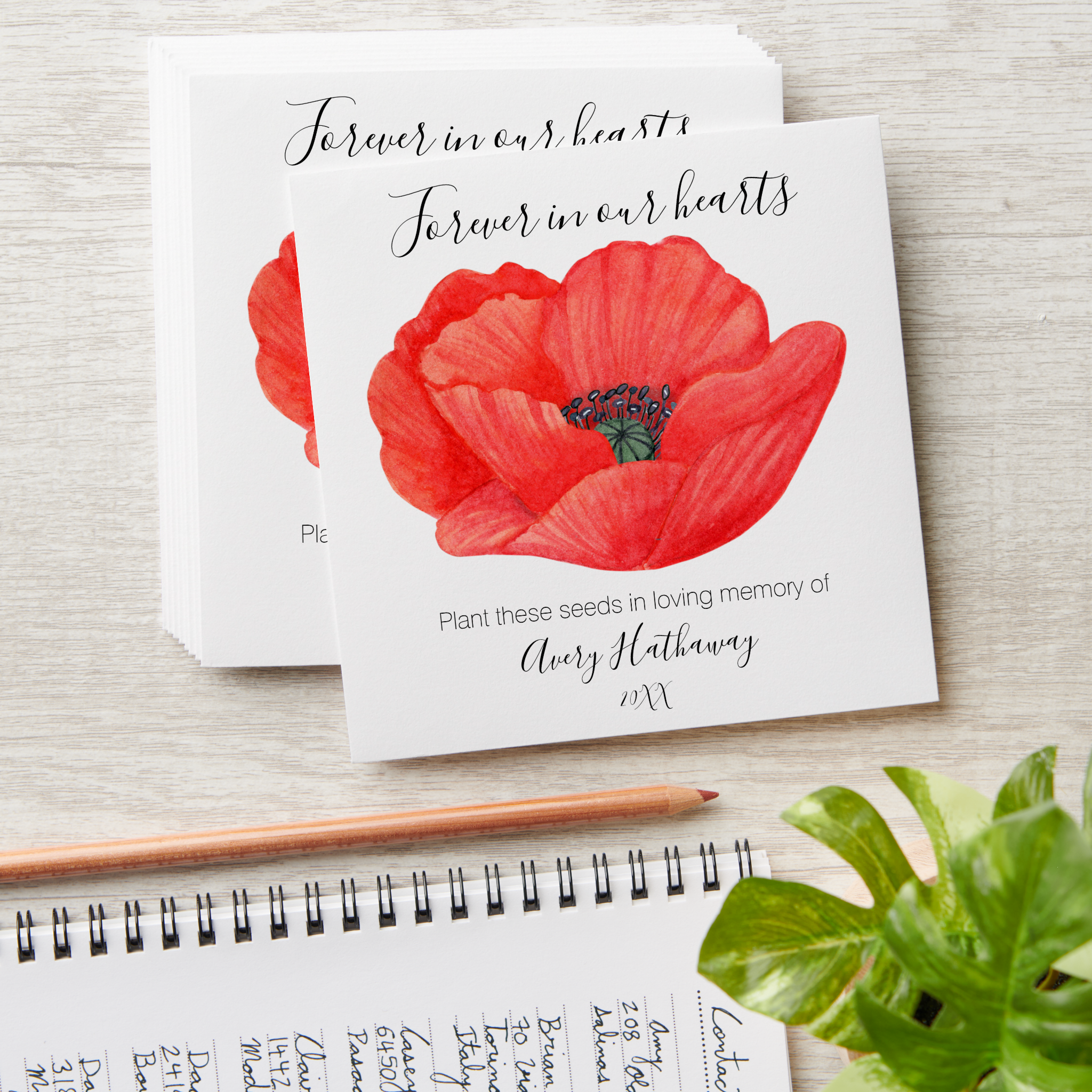
- For gardeners: Plant a memorial garden or give flower seedlings as favors
- For readers: Create a lending library with their favorite books
- For musicians: Host a sing-along of favorite songs or hire musicians
- For travelers: Display maps of places visited with guest signature locations
- For sports fans: Organize games or display team memorabilia

Entertainment and Performance Ideas
Consider incorporating entertainment that reflects your loved one’s interests:
- Live music: Hire musicians to play favorite songs or invite talented family members to perform
- Slideshow presentations: Create a photo and video montage with meaningful music
- Poetry or reading sharing: Invite guests to share favorite poems or literature
- Dance performances: If they loved dancing, organize a dance tribute
- Storytelling sessions: Designate storytellers to share longer narratives about the person’s life
Creating a Meaningful Celebration of Life Program
A well-structured program helps your celebration of life flow smoothly while ensuring all important elements are included. Unlike rigid funeral programs, celebration of life programs can be flexible and responsive to the mood and energy of the gathering.
Sample Program Structure
Welcome and Opening (15-20 minutes)
- Welcome remarks by family member or close friend
- Brief explanation of the celebration format
- Opening music or moment of reflection
- Invitation for guests to sign memory books or view displays
Sharing and Remembrance (30-45 minutes)
- Formal tributes by family members
- Stories from friends and colleagues
- Reading of cards or messages from those who couldn’t attend
- Musical performances or favorite songs
- Open mic time for spontaneous sharing
Interactive Activities (20-30 minutes)
- Group activities like memory sharing circles
- Charity presentations or donation opportunities
- Photo viewing and discussion
- Special ceremonies (balloon release, candle lighting, etc.)
Refreshments and Socializing (60-90 minutes)
- Meal or refreshment service
- Continued conversation and memory sharing
- Background music featuring favorite songs
- Final photo opportunities
Program Flow Tips:
- Keep formal speaking portions to 45 minutes or less
- Build in natural breaks for emotions and conversation
- Have backup speakers prepared in case someone becomes too emotional
- Include variety in tone – mix serious tributes with lighter, funny stories
- End on an uplifting note that celebrates the person’s legacy
Speaker Guidelines and Coordination
Coordinate with speakers ahead of time to ensure a good mix of perspectives and avoid repetitive stories. Provide guidelines such as:
- Limit individual speeches to 3-5 minutes
- Focus on positive memories and life lessons
- Share specific stories rather than general statements
- Practice beforehand to manage emotions
- Have a backup person ready if someone becomes too overwhelmed
Food and Refreshments for Your Celebration of Life
Food plays an important role in bringing people together and creating a warm, welcoming atmosphere at your celebration of life. The menu should reflect your loved one’s preferences while being practical for your venue and guest count.
Menu Planning Considerations
Incorporating Personal Favorites
Consider serving foods that held special meaning for your loved one:
- Their signature dish or favorite recipe
- Comfort foods they enjoyed making for others
- Ethnic foods representing their heritage
- Treats from their hometown or favorite restaurant
- Holiday foods they traditionally prepared
Practical Menu Options
Choose foods that are easy to serve and eat while mingling:
- Buffet style: Allows guests to serve themselves and encourages mingling
- Finger foods and appetizers: Easy to eat while standing and socializing
- Comfort food favorites: Familiar dishes that provide emotional comfort
- Dessert celebrations: Focus on favorite sweets and treats
- Potluck contributions: Allow guests to bring dishes to share memories
Popular Celebration of Life Menu Ideas:
- Brunch spread with favorite breakfast items
- BBQ gathering with grilled favorites
- Tea party with elegant finger foods
- Pizza party for casual, family-friendly atmosphere
- Cocktail reception with appetizers and signature drinks
- Ice cream social with multiple flavors and toppings
Beverage Considerations
Beverages should accommodate all guests and reflect the tone of your celebration:
- Non-alcoholic options: Coffee, tea, soft drinks, and water
- Signature drinks: Create a special drink named after your loved one
- Wine or beer: If appropriate for your family and venue
- Specialty beverages: Hot chocolate, lemonade, or other favorites
Catering vs. Homemade Options
Decide whether to hire caterers or coordinate homemade contributions based on your budget, guest count, and family preferences. Many families find that potluck-style celebrations create more personal connections as guests share dishes and stories associated with their contributions.
Memory Keepsakes and Tributes
Creating lasting mementos helps extend the impact of your celebration of life beyond the event itself. These keepsakes provide comfort to grieving family members and friends while preserving precious memories.
Digital Memory Projects
Memorial Websites or Social Media Pages
Create online spaces where friends and family can continue sharing memories, photos, and messages long after the celebration. These platforms allow people who couldn’t attend to participate and provide ongoing support.
Video Tributes and Slideshows
Compile photos, videos, and audio recordings into professional-quality tributes. Include favorite music and record family members sharing their favorite memories. These can be shown during the celebration and shared with attendees afterward.
Physical Keepsakes and Memorials
Memory Books and Scrapbooks
Create guest books where attendees can write memories, advice, or messages to the family. Consider themed memory books focusing on different aspects of the person’s life or relationships.
Photo Displays and Memory Boards
Design attractive photo displays that guests can view during the celebration. After the event, these can be given to family members or donated to meaningful locations.
Memorial Jewelry and Keepsakes
Consider creating small keepsakes that guests can take home:
- Bookmark with favorite quotes or photos
- Small potted plants or flower seeds
- Memorial candles with personal messages
- Photo buttons or magnets
- Recipe cards with favorite dishes
Keepsake Creation Tips:
- Start collecting photos and materials early in the planning process
- Ask family members and friends to contribute photos and memories
- Consider hiring a professional for video editing or book creation
- Make multiple copies of important keepsakes for different family members
- Include contact information for ongoing memorial activities
Ongoing Memorial Projects
Consider memorial projects that continue beyond the celebration:
- Scholarship funds: Establish educational scholarships in their name
- Charitable foundations: Create ongoing charitable giving in their honor
- Memorial gardens: Plant trees or gardens in meaningful locations
- Annual gatherings: Plan yearly celebrations on birthdays or anniversaries
- Community projects: Organize volunteer activities reflecting their interests
Celebration of Life Etiquette Guide
While celebrations of life are generally more relaxed than traditional funerals, understanding proper etiquette helps ensure everyone feels comfortable and respected during this meaningful gathering.
For Hosts and Family Members
Invitation and Communication Etiquette
Send invitations at least 2-3 weeks in advance, providing clear information about:
- Date, time, and location details
- Dress code expectations (casual, semi-formal, or themed)
- Whether food will be provided or if it’s potluck-style
- Any special requests (bring photos, prepare a short story, etc.)
- Contact information for questions
During the Celebration
As hosts, family members should:
- Greet guests personally when possible
- Be prepared to share memories but don’t feel obligated to entertain constantly
- Accept help from willing friends and relatives
- Take breaks when needed for emotional processing
- Thank attendees for coming and participating
For Guests and Attendees
What to Expect
Celebrations of life typically have a different atmosphere than traditional funerals:
- More casual conversation and interaction
- Sharing of happy memories and stories
- Possible group activities or participation
- Longer duration (often 2-4 hours)
- Food and refreshments as part of the gathering
Appropriate Behavior and Contributions
Guests should:
- Arrive on time and stay for a reasonable duration
- Share appropriate memories when invited
- Respect others’ emotional responses
- Participate in group activities when comfortable
- Offer practical help to the family if possible
- Follow up with family members in the weeks following
Gift and Tribute Guidelines:
Unlike traditional funerals, celebrations of life may welcome different types of contributions such as photo albums, memory books, charitable donations, or items reflecting the person’s interests. Check with the family about their preferences.
Dress Code Considerations
Celebrations of life often have more flexible dress codes than traditional funerals:
- Follow family guidance: Honor any specific requests about attire
you might also like…
25 Beautiful Celebration of Life Centerpieces to Honor Your Loved One’s Memory
